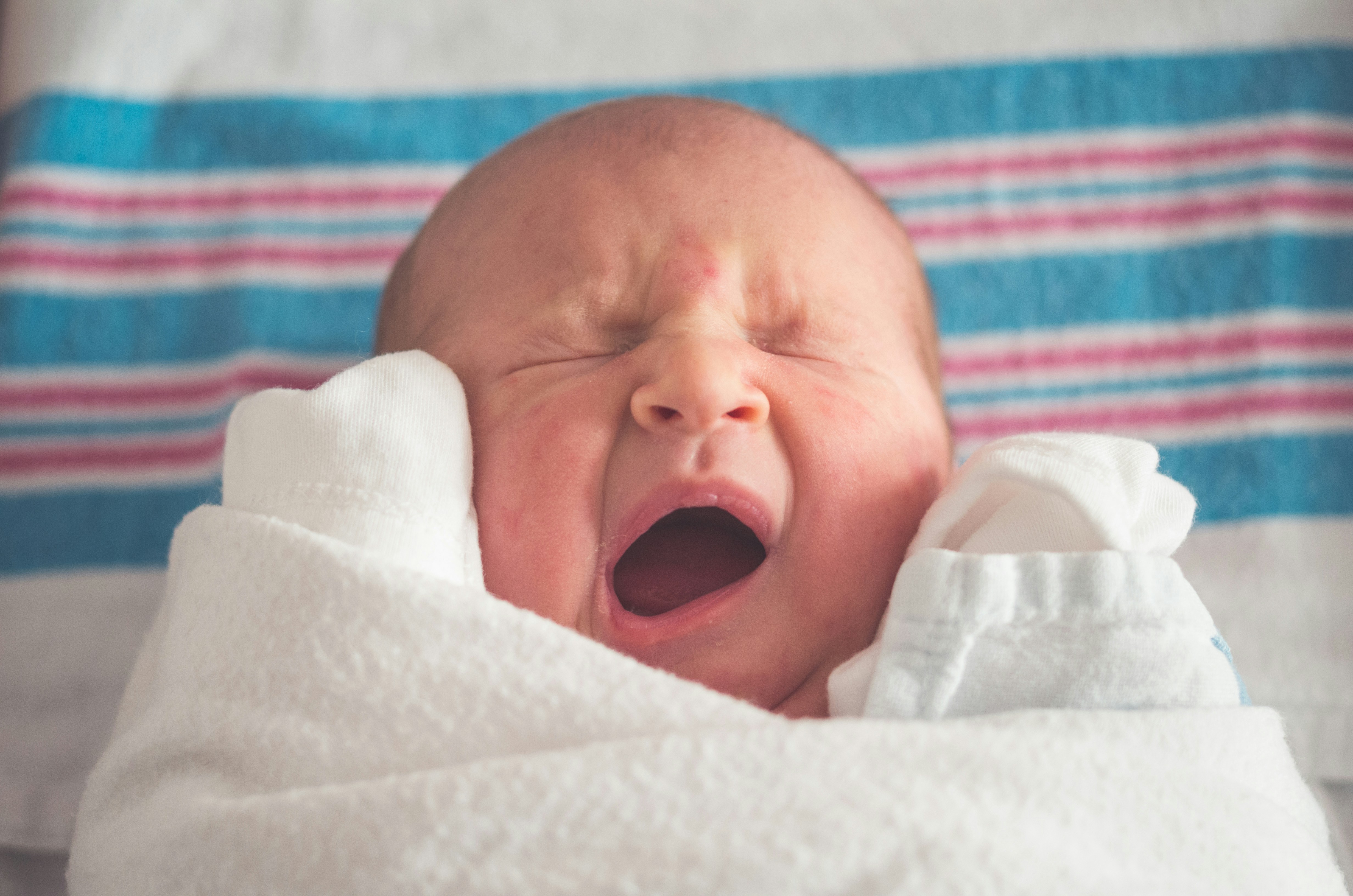

You are sitting on the edge of your bed at 2 AM, baby finally asleep on your chest. The room feels smaller than it did yesterday. The walls feel closer. A strange, restless panic rises — not about the baby, not about anything you can name — just this urgent, desperate need to escape.
You are not losing your mind. You are experiencing postpartum claustrophobia, and it is far more common than anyone talks about.
What Is Postpartum Claustrophobia?
Postpartum claustrophobia is not a clinical diagnosis, but it is a very real and documented emotional experience. It is the feeling of being trapped — in your home, your role, your body, your relationship, or all of them at once. It can arrive in the first days after birth or creep in weeks later, and it can coexist completely with deep love for your baby.
In homeopathic and integrative postpartum care, it is understood as the body and psyche rebelling against the radical loss of freedom that new motherhood brings — suddenly your time, your sleep, your body, even your thoughts, are no longer fully your own.
"Both things can be true at the same time: I love this baby more than I knew was possible, and I desperately need five minutes that belong only to me."
Why Does It Happen?
- Dramatic hormonal shifts — estrogen and progesterone drop sharply after delivery, affecting mood regulation and the nervous system's sense of safety.
- Identity disruption — for the first time in your life, you may have no agency over a single hour of your day.
- Sleep deprivation — even mild sleep debt amplifies anxiety and makes the brain perceive threats everywhere.
- Social confinement — many Indian mothers spend weeks largely at home post-delivery, which can compound the sense of restriction.
- The invisible load — even when surrounded by family, the emotional and physical weight often falls disproportionately on the mother.
How to Breathe Through It
- Name it out loud. Tell your partner, your mother, a friend: "I am feeling trapped and I cannot explain it, but I need you to know." Simply naming the feeling reduces its power significantly.
- Micro-escapes. A ten-minute walk outside — alone, without the baby — is not abandonment. It is medicine. Protect it.
- Sensory grounding. When panic rises, step outside and feel the sun or breeze. Smell chai. Touch grass. Bring your nervous system back into the present.
- Seek holistic support early. Homeopathic remedies like Pulsatilla and Sepia have been used for generations to support postpartum emotional shifts — speak to a qualified practitioner before trying anything.
You are allowed to ask for help. Not just with the baby. With everything.
A Note to the Mothers Reading This at 2 AM
If this is you right now — phone in hand, baby on chest, heart racing — please hear this: you are not a bad mother. You are a human being in the middle of one of the most enormous transitions a person can experience. The claustrophobia will ease. The world will feel bigger again. And until it does, MamaSaath is here — with you, always.